
WHAT IS MICROSILICA?

Microsilica (silica fume) is a byproduct from silicon metal or ferrosilicon industries,is an amorphous silicon dioxide – SiO2 which is generated as a gas in submerged electrical arc furnaces during the reduction of extreme pure quartz. As the molten metal is produced, a silica-based gas is emitted. This gaseous fume, as it rises, cools rapidly and forms extremely minute,Amorphous, spherical particles. The microsilica is collected in a bag house, a system for filtering the hot air and gases vented from the furnace. This gas vapor is condensed in bag house collectors as very fine powder of spherical particles that average 0.1 to 0.3 microns in diameter with a surface area of 17 to 30 m2/g.
PHYSICAL CHARACTERISTICS:

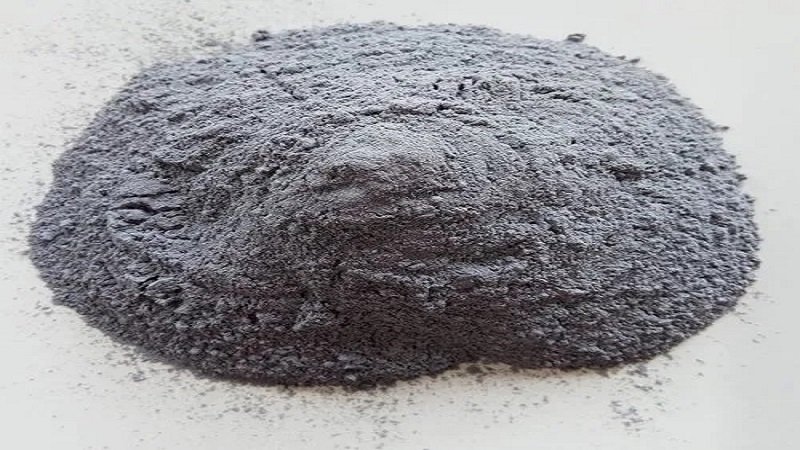
Color : Black, Grey, White

Refractoriness : >1600℃

Bulk density : 320-700 kg/m3

Chemical composition :

Items SiO2 Al2O3 Fe2O3 MgO CaO Na2O PH average value
Content 75~98% 1.0±0.2% 0.9±0.3% 0.7±0.1% 0.3±0.1% 1.3±0.2% neutral

FINENESS:

the fineness of the silica fume is less than 1μm, and the average particle size is 0.1 – 0.3 μm, and the specific surface area is 20 – 28 m2/g. The fineness and specific surface area are about 80-100 times of cement and 50-70 times of fly ash.

PARTICLE MORPHOLOGY AND MINERAL STRUCTURE:

during the formation process of silica fume, the amorphous phase is formed by the action of surface tension due to the effect of surface tension during the formation of phase change, and the surface is smooth. Some are aggregates with multiple spherical particles adhered together. It is a very high surface area and highly active volcanic ash. With silica fume, tiny spheroids can be lubricated.

Microsilica's Composition

  • Silicon Dioxide (SiO2)
  • Aluminium Oxide (Al2O3)
  • Iron Oxide (Fe2O3)
  • Magnesium Oxide (MgO)
  • Calcium Oxide (CaO)
  • Sodium Oxide (Na2O)